There’s a moment many people recognise. The tiredness that doesn’t go away after a good night’s sleep. The sense of disconnection from things that used to feel manageable. The quiet thought: something isn’t right. We often call this stress. But sometimes, it’s burnout. And your body knows the difference.
Stress Feels Like Pressure
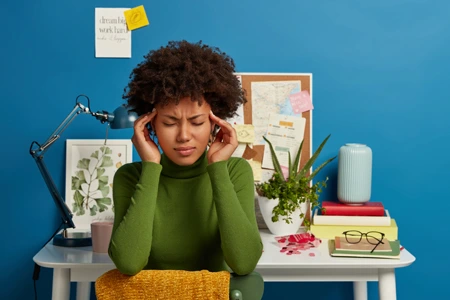
Stress tends to feel active. Your mind races. Your body feels tense. You may feel overwhelmed, but you are still engaged. Still trying, still pushing, still responding. In many ways, stress feels like your system is working harder.
Burnout Feels Like Withdrawal
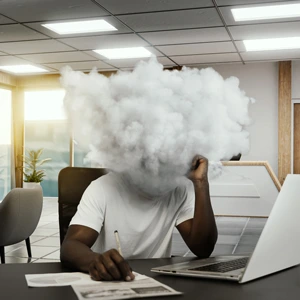
Burnout is different.
It often feels like:
- Deep, persistent exhaustion
- Emotional distance or numbness
- Difficulty concentrating
- A loss of motivation or meaning
It’s not that there is too much to do. It’s that your system no longer has the capacity to respond. Burnout is what happens when the body has been under pressure for too long without recovery. Eventually, it stops trying to keep up.
Read more: How Cannabis Helps with Burnout.
This Is a Nervous System Response
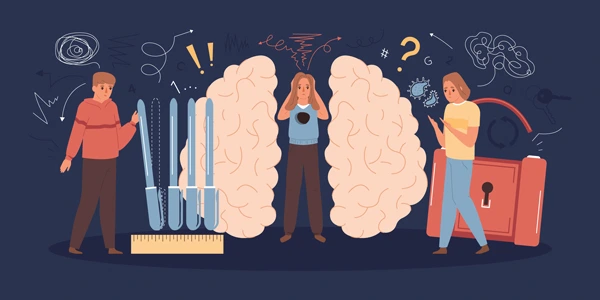
This shift is not a personal failure. It is your nervous system adapting. When stress continues for too long, the body may move from a state of activation into a state of conservation. Reducing energy, slowing processes, and creating distance as a form of protection. This is why burnout can feel flat, heavy, or disconnected. Your system is not broken. It is trying to protect you.
Why Rest Alone Doesn’t Always Help
Many people try to recover by resting more. And while rest is important, burnout is not just about needing sleep. It is about needing regulation.
If the nervous system is still holding tension or imbalance, the body may not fully recover, even during downtime. This is why burnout recovery often feels slower and less straightforward than expected.
Supporting Your Recovery

Recovery begins with small, consistent signals of safety to the body. You don’t need to do everything at once. Start gently:
- Slow your breathing, especially your exhale
- Spend time in natural light, particularly in the morning
- Move in ways that feel manageable, not demanding
- Reduce unnecessary stimulation and pressure
- Prioritise calm, low-demand environments
One of the most important insights from the research is this: reducing ongoing stressors is often more effective than adding more “wellness practices.”
A Note on Additional Support
Some people explore plant-based support as part of their recovery, particularly those who interact with the body’s internal regulatory systems. When approached with care and understanding, this can be one part of a broader, balanced approach.
Final Thought
Burnout is not something you push through. It is something you listen to. Your body is not asking for more effort. It is asking for different conditions. And when those conditions are created, slowly, consistently, recovery becomes possible.
If this feels familiar, you don’t have to figure it out on your own. You can visit our website and speak with our friendly AI Bot, Budley, for gentle, personalised guidance on what might best support your system. Start the conversation when you’re ready.
Disclaimer: This blog supports responsible cannabis use. The information contained in this article is for educational and informational purposes only and is not intended as health or medical advice. Always consult a physician or other qualified health provider regarding any questions you may have about a medical condition or health objectives.
Our latest content
Check out what's new in our company !