The Quiet Pressure Many Men Carry
When we talk about strength, we often think of the man who keeps going no matter what life throws at him. The one working long hours, making sure everyone at home is okay, and saying, “I’m fine,” even when he’s carrying more than people realise.
For many men, that pressure starts early. Somewhere along the way, they may learn that being “strong” means staying quiet, pushing through, and not letting anyone see when things are hard. So, when stress, sadness, fear, or overwhelm shows up, talking about it can feel uncomfortable, almost like admitting defeat.

But carrying everything alone doesn’t make life easier, and it doesn’t make someone stronger. More often, it just makes things feel heavier and lonelier than they need to be.
That’s why Men’s Mental Health Month and Men’s Health Week are good reminders to slow down and talk about this more openly. Asking for help is not giving up. It can be one of the most honest, steady, and courageous things a man can do.
Mental Health Doesn't Always Look Like Sadness
One of the reasons men’s mental health can be missed is that it doesn’t always look the way people expect. Depression, anxiety, burnout, or emotional strain may not always show up as tears or obvious sadness.
Sometimes, it looks more like this:
- Irritability and frustration
- Sudden bursts of anger
- Emotional withdrawal
- Constant exhaustion
- Overworking to avoid difficult feelings
- Increased alcohol or substance use
- Risk-taking behaviour
- Loss of interest in activities once enjoyed

The tricky part is that these changes are easy to explain away. It might seem like stress, tiredness, work pressure, or just someone “not being himself lately.”
And sometimes that may be true. But if the changes keep going, or if they start affecting daily life, relationships, sleep, work, or safety, it may be a sign that support is needed.
A Reality Worth Talking About
In South Africa, mental health organisations continue to highlight how common depression, anxiety, and suicidal thoughts can be, and how often people struggle quietly before anyone realises how serious things have become.
This is especially important when we talk about men’s mental health. Men make up a large number of suicide deaths, which is why noticing the signs and creating safer spaces to speak openly really matters.
But it’s not only about statistics. Behind every number is someone’s son, father, brother, husband, colleague, or friend. Someone who may just need to feel seen, heard, and less alone.
That’s why this year’s Men’s Mental Health campaign places so much focus on connection, empathy, and recognising warning signs early.
A check-in does not have to be dramatic. Sometimes, a simple “How are you really doing?” can open the door to a conversation someone has needed for a long time.
Warning Signs to Watch For
If you’re thinking about yourself, or you’re worried about someone close to you, it helps to pay attention to changes that don’t seem to pass.
Some of those signs may include:
- Ongoing irritability or unexplained anger
- Withdrawing from family, friends, or social activities
- Significant changes in sleep patterns
- Changes in appetite or eating habits
- Increased use of alcohol or other substances
- Reckless or risky behaviour
- Persistent fatigue or lack of motivation
- Feelings of hopelessness
- Extreme pressure related to finances, work, or providing for others
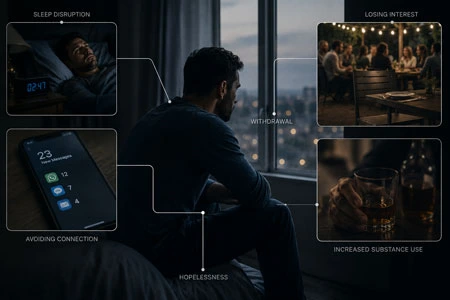
You don’t need to wait until everything feels unbearable before reaching out.
If something feels heavier than usual, harder to manage, or just not like you, that is enough of a reason to speak to someone you trust.
Reaching Out Does Not Mean You Have Failed
A lot of men worry that if they say what they’re going through out loud, people will think they’re weak or unable to cope. That worry is understandable, especially if they’ve spent years being told to “stay strong” or “just push through.”
But needing support does not mean you have failed. It means you are human, and you are paying attention to what you need.
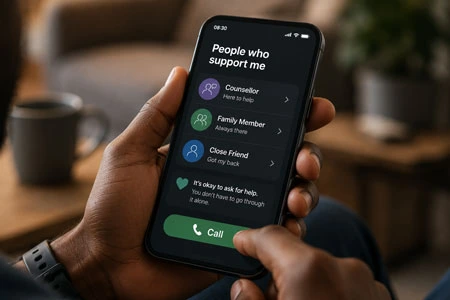
Think of it this way: if you had a serious physical injury, nobody would expect you to ignore it and carry on as if nothing happened. Mental health deserves that same kind of care.
The first step does not have to be big. It could be a conversation with a trusted friend, a family member, a doctor, a counsellor, or a mental health professional.
You don’t have to have the right words. You also don’t have to figure everything out before you ask for support.
Where to Find Help in South Africa
If you or someone you know is having a difficult time, there are places to turn to for support.
South African Depression and Anxiety Group (SADAG) provides counselling resources, support programmes, and mental health information through its website and support platforms.
National Suicide Crisis Line
☎️ 0800 567 567
The service is free, available 24 hours a day across South Africa, and offers counselling support in all 11 official languages.
If there is an immediate emergency, it is important to seek urgent medical help or go to the nearest healthcare facility.
Mental health emergencies, including attempted suicide, are covered under South Africa’s Prescribed Minimum Benefits (PMBs), which means emergency medical stabilisation should be accessible when it is needed.
A Final Thought
If you’re reading this and quietly carrying more than people can see, take this as a gentle reminder: you don’t have to prove your strength by suffering in silence.
Strong men struggle too, and support is allowed when life feels heavy.
This Men’s Mental Health Month, check in with yourself when you need to, and check in with the men around you when something feels off.
A simple, honest conversation may not fix everything, but it can help someone feel seen, supported, and less alone.

Looking for Support and Wellness Guidance?
If this article resonated with you, or if stress and anxiety have been weighing on you lately, remember that you don't have to figure it all out on your own. Sometimes the most helpful step is simply reaching out and asking questions.
Whether you're curious about our wellness products, looking for guidance on which options may best fit your needs, or interested in creating a calming daily ritual, our team is here to help. Visit our website and chat with Budley, our friendly wellness guide, who can answer your questions, provide product information, and help you explore wellness routines designed to support relaxation and balance.
As a simple wellness ritual, consider setting aside a few quiet minutes each day to slow your breathing, enjoy a calming cup of herbal tea, practice mindfulness, or incorporate wellness products that support your self-care routine. Small, consistent habits can make a meaningful difference over time.
There is no judgement. No pressure. Just a supportive place to learn, explore, and find what works best for you.
Taking care of your wellbeing is an important investment in yourself, and we're here to support you every step of the way.
 Visit our website and start a conversation with Budley, our friendly AI Bot, to discover products, wellness tips, and personalised guidance that can help you feel more balanced and at ease.
Disclaimer: This blog supports responsible cannabis use. The information contained in this article is for educational and informational purposes only and is not intended as health or medical advice. Always consult a physician or other qualified health provider regarding any questions you may have about a medical condition or health objectives.
Our latest content
Check out what's new in our company !