Wellness goals are amazing in theory… until they turn into a full-blown side hustle. Suddenly, you’re juggling breathwork, supplements, yoga, hydration tracking, and a “nervous system reset” playlist, while still replying to emails like a functioning adult.
So let’s ask the real question: can cannabis and adaptogens actually improve wellness goals… or are they just the fancy accessories of the wellness world?
Here’s the truth: they can be incredibly supportive, but only when you treat them like tools, not miracles. Think of cannabis and adaptogens like the co-pilots of your wellness journey. They can help you get where you’re going faster… but they can’t drive the car if you’ve got no sleep, no routine, and your stress levels are basically running a 24/7 reality show.

The good news? You don’t need to be perfect. You just need a plan. Let’s break it down in a way that’s fun, evidence-aware, and actually doable.
Start With the Feeling, Not the Product
Before you buy anything, ask yourself: "What do I want more of? Calm? Focus? Energy? Sleep that doesn’t feel like a wrestling match?"
Then ask: "How will I know it’s working?"
Track something simple: sleep quality, mood, anxiety levels, pain score, or your ability to function without snapping at the group chat. Because the best wellness goals aren’t “take more things.” They're "feel more like me again.”

Cannabis: A Tool, Not a Personality
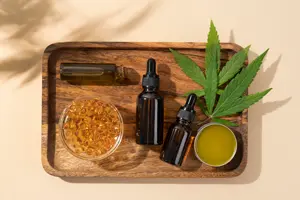
Cannabis can be beneficial for certain wellness goals, particularly in addressing stress and improving sleep. But it’s not one-size-fits-all, and the evidence is still evolving. Some studies suggest cannabinoids may support sleep or anxiety for some people, while other research highlights potential risks, especially with frequent or high-dose THC use.
Think outcome-first:
- Trying to sleep better? Track time to fall asleep + next-day grogginess.
- Using it for stress? Track your anxiety level before and after.
- Supporting pain? Track mobility and flare-up frequency.
Safety glow-up basics:
- Start low, go slow (THC is not a “go big” situation)
- Choose lower potency if anxiety is your nemesis
- Avoid mixing with alcohol
- Schedule intentional breaks (“off days”) to reduce dependence risk
Also, cannabis can increase dependency risk in some people and may worsen mental health symptoms for certain individuals, especially with heavy use. That doesn’t mean “never,” it means use thoughtfully.
Adaptogens: The Chill Support Team
Adaptogens are herbs (and fungi) studied for helping the body handle stress and maintain balance, kind of like your internal “don’t freak out” committee. Popular adaptogens include ashwagandha, rhodiola, ginseng, and schisandra.
Ashwagandha has research suggesting it may support stress and sleep, but it can interact with medications and isn’t recommended for everyone (pregnancy, certain thyroid conditions, etc.).
Pro tip: Choose one adaptogen at a time for 4–6 weeks and track your results. Your body is not a smoothie.
Holistic Health: The Plot Twist Foundation
Here’s the part people skip because it’s not shiny. Cannabis and adaptogens work best when your foundation isn’t falling apart.
Your MVP (most valuable player) habits:
- Sleep hygiene (boring, yes; powerful, also yes)
- Movement (even 10 minutes counts)
- Protein + hydration
- Sunlight + fresh air
- Nervous system regulation (breathing, meditation, nature, stretching)
Supplements and plant medicine are enhancers, not replacements.
Try the “Wellness Experiment” Method
Make it simple and fun:
- Pick ONE goal: sleep/stress/focus
- Pick ONE tool: CBD/low-dose THC/ashwagandha/rhodiola
- Track 3 things daily for 2 weeks:
- Mood (1–10)
- Sleep quality (1–10)
- Energy (1–10)
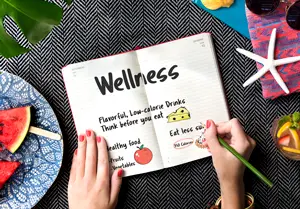
After two weeks, decide: continue, adjust, or quit. That’s how you stop guessing and start feeling better.
Final Thoughts
Wellness isn’t a competition, and your body is not a group project. Cannabis and adaptogens can totally support your goals – but only if your basics aren’t in shambles. So keep it simple, start low, track what works, and don’t be afraid to break up with anything that makes you feel worse (yes, even that “miracle” supplement). Your best routine is the one that helps you feel good and still leaves room for living.
Disclaimer: This blog supports responsible cannabis use. The information contained in this article is for educational and informational purposes only and is not intended as health or medical advice. Always consult a physician or other qualified health provider regarding any questions you may have about a medical condition or health objectives.